Pest Control: Practical Tactics to Defend Your Property and Establishment
Pest Control: Efficient Tactics to Secure Your Living space and Enterprise
Introduction to Pest Control
Pest Control refers to the regulation or handling of organisms classified as pests – living things that detrimentally alter people's behaviors or vicinities. In New Jersey, in which multiple natural systems join urban-adjacent and metropolitan expansion, productive Pest Control is not simply a indulgence but a crucial element for preserving hygienic dwelling and working environments. From the sprawling districts of Monmouth County to the cohesive neighborhoods of Matawan, pest issues can affect anyone, irrespective of how hygienic or adequately preserved their dwelling may be.
The necessity of adopting successful Pest Control methods cannot be understated. For homeowners, pests can impair constructional strength, adulterate food resources, and introduce significant health perils. Businesses deal with these comparable issues, with the supplementary anxiety of image injury and likely deprivation of consumers if problems are located. Ordinary pests in New Jersey encompass rodents like rats and mice, assorted insects such as ants, cockroaches, and bed bugs, and the notably damaging termites that can quietly undermine a building's groundwork.
The Rationale Pest Control Is Important
Health Risks of Pest Control Treatments
Various pests bear and convey disorders that can trouble people and pets. Rodents are identified transporters of hantavirus, salmonella, and leptospirosis. Cockroaches can cause asthma attacks and sensitized responses, particularly in little ones. Ticks, common in New Jersey's wooded areas, are infamous for transmitting Lyme disease, while mosquitoes can pass on West Nile virus and Eastern Equine Encephalitis. Specialized Pest Control facilitates reduce these health perils by removing the cause of these likely disease transmitters.
Home Deterioration in Pest Control
The framework destruction generated by pests can be substantial and expensive. Termites solely cause over $5 billion in house impairment each year around the United States, with New Jersey homes being specifically exposed due to the state's weather. Rodents can munch through electrical cables, forming fire perils, while their constant nibbling can ruin weatherproofing, pipes, and wood architectural parts. Even relatively innocuous ants can undermine lumber structures if left unprocessed, particularly carpenter ants which are widespread in Monmouth County.
Monetary Results of Pest Control Services
Overlooking pest outbreaks can result in significant pecuniary repercussions. What could originate as a trivial infestation demanding uncomplicated management can speedily increase into a significant trouble needing comprehensive rehabilitation. For establishments, chiefly those in the food trade or tourism sectors, pest invasions can generate flunked health checks, provisional shutdowns, and persistent detriment to name and customer trust. Putting money in standard Pest Control is not just about instantaneous ease—it's a extended financial safety measure.
Pest Control: Common Residential and Firm Pests
Small Mammals (Rats and Mice)
When it pertains to spotting rodent outbreaks in your New Jersey home, carefulness is fundamental. You may notice waste near food sources, in drawers, or under sinks. Bite marks on food enclosures, timber, and electronic cords are telltale marks of their occupancy. At after dark, you may notice abrasive disturbances in partitions, ceilings, or beneath floors as these night-time animals turn active. If you detect habitats built from ripped documents, fibers, or dried plant substance, that's a obvious signal rodents have set up themselves home. Slick rub marks adjacent to baseboards and partitions become visible as rodents utilize the equivalent paths often, while your pets may demonstrate peculiar demeanor such as barking or digging at places beneath equipment or pieces where rodents shelter.
Vermin in New Jersey homes and firms pose various dangers past mere annoyance. They can spoil food and cooking counters with bacteria found in their pee and excrement. Their continuous desire to munch can ruin goods, notably electrical lines, which produces fire perils. In Matawan and surrounding zones, the Norway rat and house mouse are particularly troubling, growing well in both densely populated and suburban environments. Powerful Pest Control steps are vital to take care of these detrimental intruders.
Insects (Ants, Cockroaches, Bed Bugs)
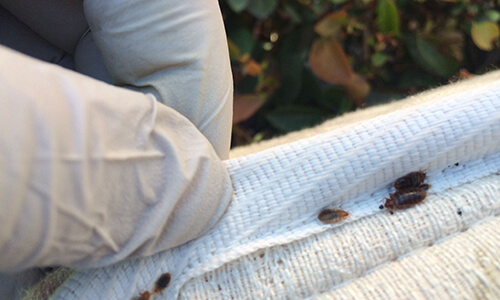
Invertebrate issues reveal themselves in assorted modes depending on the type. Ant issues get apparent when you witness perceptible ant trails directing to food provisions, or when you detect little heaps of ground or wood splinters made by carpenter ants. Cockroach incursions often display themselves through dark feces similar to coffee grounds or black pepper, a distinctive stale odor that pervades infested locations, and the existence of egg shells in hidden corners. Bed bug issues materialize as rust-colored spots on mattresses and belongings, shed skins near resting spots, small blood smudges on sheets, and scratchy red elevations on skin normally organized in a line or assembly.
Invertebrates exemplify the most different group of pests in New Jersey. Cockroaches can initiate asthma and sensitivities while spreading various pathogens. Bed bugs, while not disease agents, create appreciable pain, sleep hindrance, and affective torment. Certain ant species, like carpenter ants usual in Monmouth County's sylvan spots, can produce architectural destruction equivalent to termites through time. Skilled Pest Control businesses can determine exact insect varieties and enact directed intervention methods that tackle the special actions and susceptibilities of each pest.
Termites
Detecting termite presence promptly demands being aware of the subtle signs of their existence. You can observe cast-off wings near openings and doors after swarmers have discovered a mate and set up a new colony. Mud tubes on outdoor barriers, timber beams, or in crawl cavities function as shielded highways for these detrimental insects. Wood that sounds empty when patted suggests termites have been feeding from internally. Entrances and windows that all at once cling may signal twisting from termite destruction, while fractured or rising paint looking like water injury often conceals termite movement below. Locating frass—termite droppings reminiscent of minute wood-colored pellets—provides another verification of their objectionable occurrence.
Termites present perhaps the most considerable architectural menace among all typical pests. In New Jersey, the Eastern subterranean termite is common and specifically detrimental. These organisms can endure concealed for eras while creating vast destruction to wood constructional elements. Homes in Matawan and throughout all of Monmouth County, mainly older structures, are at risk to termite incursions. The standard charge of term pest control.
Pest Control Protection Aspects
Proper Application of Products and Products in Pest Control
When chemicals grow essential in your pest control strategy, prioritizing protection demands focus to several important methods that safeguard people, companions, and the environment. Always review and observe product instructions precisely, as these legally-binding directions demonstrate extensive evaluation and regulatory evaluation intended to minimize hazards. Use the smallest effective volume of product to achieve control while reducing unnecessary product incorporation into your living environment. Employ chemicals only in spaces indicated on the product instructions, eliminating improper treatments that may produce surprising dangers or decrease performance. Utilize proper safeguarding apparatus as designated by product companies to avoid personal interaction during use. Keep substances in their original packages with instructions intact to retain entry to security information and eliminate mix-ups. Keep detailed documentation of all uses, noting chemicals utilized, concentration ratios, areas applied to, and times of treatment for subsequent use. Enable appropriate setting and airflow before returning to applied spaces, particularly vital in New Jersey's weather where moisture can alter curing periods. Evaluate safer choices when efficient, as progress in pest control have created many lower-toxicity solutions that maintain performance while lowering potential dangers.
Defending Animals and Children During Pest Control Services
Extra steps turn crucial when applying pest control steps in households with sensitive household occupants. Relocate pets while performing service and until spaces are dry to avoid immediate interaction with damp substances or gases that could produce harmful responses. Cover or take away pet meals, drinking bowls, and playthings before application to prevent pollution that could lead to inadvertent ingestion. Store children's items apart from application locations, specifically objects that small kids might put in their mouths. Wash and sterilize meal preparation surfaces after treatment, even if they were not directly applied to, to remove any leftovers that might have gathered during treatment. Maintain young ones apart from treated spaces for the specified duration, prolonging this time for crawling infants who have more close contact with surfaces and lower areas. Consider pet-safe and kid-friendly substance alternatives when accessible, as many contemporary chemicals aim at certain pest anatomy while decreasing animal poison. Most crucially, tell qualified technicians about the existence of animals, children, or pregnant home members before they develop service approaches, permitting them to change techniques and substance options accordingly.
Regulatory Guidelines and Adherence with Pest Control
Pest control in New Jersey works within a legal framework designed to defend general safety and the surroundings while guaranteeing efficient pest control. The New Jersey Department of Environmental Protection manages pest elimination activities, mandating expert pest management organizations to fulfill defined specifications. Companies must use authorized applicators who have succeeded in government tests proving competency in pest study, service techniques, and safety procedures. These organizations must keep appropriate coverage insurance shielding both their specialists and their clients from potential losses or injuries related to pest control procedures. Rigid guidelines control product warehousing, movement, and removal to eliminate natural contamination and improper access. Specialists must provide Safety Data Sheets upon demand, recording the characteristics and dangers of chemicals applied in treatments. Notice guidelines pertain for certain uses, particularly in multi-unit structures or commercial spaces with many residents. Complete treatment notes must be kept, forming an inspection history of pest control operations. Also, only products approved for utilization in New Jersey may be lawfully utilized, making certain that area environmental circumstances and ecosystems have been examined in the licensing procedure. For business properties in Matawan and throughout Monmouth County, further guidelines may apply relying on the field, especially for restaurant service, health, and child care facilities where pest control intersects with additional community wellness aspects.
Environmentally-Friendly Pest Control Options
Unified Pest Control (IPM) Approach
Unified Pest Management constitutes the highest measure in today's pest control, centering on lasting deterrence through a combination of methods that reduce environmental effect while maximizing effectiveness. The IPM process begins with complete inspection and surveillance to pinpoint pest pressure accurately, setting up baseline facts about varieties found and quantity counts. This produces accurate identification of pest species, guaranteeing elimination attempts aim at individual behaviors and susceptibilities rather than employing broad treatments. Specialists set threshold amounts that warrant response, realizing that the plain occurrence of a few organisms doesn't inevitably demand action if numbers continue beneath injurious numbers. When treatment becomes essential, IPM employs several treatment methods in combination, usually initiating with safest methods and advancing only when essential. Throughout the process, professionals assess success and adjust methods as necessary, building a flexible method adaptive to changing conditions. Most importantly, IPM highlights protection over elimination, handling structural and environmental elements that support pest numbers rather than just destroying active organisms. Many pest control organizations in New Jersey deliver IPM-based programs that coordinate with the state's initiative toward minimal-impact pest control methods, specifically in vulnerable settings like schools, health facilities, and food processing operations.
Natural Management Techniques
Productive pest control often combines alternative methods that can resolve or reduce pest problems without inserting products into the ecosystem. Mechanical barriers such as mesh, entrance seals, and caulking block pest access totally, dealing with the issue at its beginning. Mechanical methods like devices and prevention tools eliminate present organisms while preventing further entries. Living controls involving beneficial organisms and organisms insert natural opponents that focus on individual organisms while keeping helpful creatures safe. Behavioral approaches adjust the surroundings to discourage insects, such as changing watering schedules to decrease moisture that lures specific bugs. Living space modification minimizes refuge and nutrition supplies, making areas minimally welcoming to unwanted inhabitants. For specific pests like bed bugs, temperature applications offer highly effective elimination without toxic traces by increasing thermal levels past the thermal lethal level for all growth phases of the specific pest. Similarly, refrigeration techniques for stored item insects like grain insects or pantry pests can remove infestations in food commodities without harmful exposure. These methods demonstrate specifically important in New Jersey's different settings, where nearness to liquid sources, preserved natural zones, and heavy population centers generates various circumstances where toxic limitation becomes desirable or required.
Sustainable Pest Control Treatment Solutions
The pest control business maintains to evolve toward increasingly green approaches that retain efficiency while minimizing environmental influence. Organic pesticides derived from botanical substances like chrysanthemum extract, neem oil, and natural oils deliver precise management with limited persistence in the environment. Biological pesticides containing microbes, molds, or pathogens that aim at certain pest creatures offer exactness that conventional universal products can't equal. Growth controllers that inhibit pest reproduction by interrupting with life cycle cycles provide long-term population control without instant dangerous impacts on mature organisms. Attractant devices that monitor or interrupt pest breeding aid determine when intervention becomes essential and can avoid procreation in certain varieties. The industry progressively implements minimal-impact chemicals with small surrounding footprint, changing apart from older formulations with wider influences on unintended creatures. Precision delivery technologies that lower overall chemical application administer services exactly where required rather than spreading chemicals around broad regions. Environmental qualification programs for pest management organizations determine criteria for ecologically favorable care and supply users with clear identification of providers committed to environmentally-friendly procedures. In naturally vulnerable areas of New Jersey, featuring parts of Monmouth County with closeness to liquid sources, these sustainable techniques are particularly useful for safeguarding both people's wellness and natural systems while continue to delivering productive pest elimination.
Finding a Local Pest Control Service Provider in New Jersey
Capitol Exterminating System
272 NJ-34
Matawan, NJ 07747
(732) 441-1900
Frequently Asked Queries (FAQs) about Pest Control
How regularly should pest control be performed?
For the majority of New Jersey properties, every three months pest control offers proper security against periodic pest threats. This frequency aligns with the local unique times, each bringing various pest problems that demand precautionary focus. Spring treatments generally deal with arising ant groups and hibernating organisms becoming mobile. Summer applications center on mosquitos, ticks, and different airborne bugs that prosper in hotter temperatures. Fall procedures ready homes for rodents and overwintering insects searching for protection as temperatures fall. Winter treatments sustain protection against internal insects while dealing with rodent problems at its maximum. Though, this schedule click here may increase for buildings with specific threat conditions or persistent issues that demand greater intensive management. Properties adjacent to wooded zones in Monmouth County may gain from supplementary tick and flying insect treatments within top seasons. Homes with past of particular pest concerns often call for focused follow-up applications above the standard four times yearly timing. Industrial establishments, specifically dining preparation businesses in zones like Matawan, often need regular service to maintain conformity with safety rules and avoid problems that could damage credibility and business operations.
Is professional pest control harmless for animals?
When carried out appropriately, specialist pest control can be secure for animals through deliberate product selection and application techniques that limit access. Today's targeted application techniques and reduced-risk materials have markedly improved protection profiles compared to conventional pest handling strategies. Modern services regularly apply formulations explicitly developed to have reduced toxicity to pets while keeping productive against target organisms with separate anatomies. Professional specialists get instruction in employment methods that put materials in zones animals can't reach, such as structural cavities, fissures and openings, or back of machines. Nonetheless, animals should be moved while performing service and until all services have cured entirely, adhering to specific waiting intervals suggested by the material company and professional. Water containers should be enclosed and oxygen pumps turned off while performing treatment to prevent infection from suspended debris. Pet belongings containing resting places, toys, and feeding containers should be moved or protected during service. Talk about any concerns with your pest control specialist, who can recommend appropriate delay intervals depending on the particular services employed and adjust approaches for families with specifically sensitive companions like avians or cold-blooded animals that may have separate physiological susceptibilities than felines and dogs.
What are the evidence of a severe pest invasion?
Past seen insects directly, multiple danger signals reveal potentially major problems needing prompt pest control response. Unusual scents often emerge with large infestations – stale, fatty odors may reveal small mammals, while sweet, almond-like smells periodically follow German insect groups. Unexplained structural damage like sagging floors, peeling finish, or breaking timber may indicate termite activity or wood-boring ant infestations destroying support components. Peculiar activity within structures or roof areas, specifically at evening, commonly indicate rodent movement as these dark-active animals get energetic in hidden spaces. Excessive powder resembling tiny shavings near timber parts may truly be waste or droppings from timber-damaging organisms. Some homes have puzzling health issues like breathing troubles or scratching that disappear when gone from house, possibly showing insect issues impacting internal atmosphere quality. In New Jersey residences, specific consideration should be devoted to basement and crawlspace areas where water issues can maintain pest communities, especially in mature properties throughout Monmouth County where foundation openings and crumbling mortar offer many access points. Finding many dead creatures of the similar type suggests a bigger colony nearby, while residue signs beside floor edges show established mouse and rat trails with frequent activity.
Can I avoid organisms without pest control pesticides?
Certainly, numerous insects can be prevented through correct cleanliness, prevention, and environment modification without resorting to toxic treatments. The foundation of alternative pest control initiates with detailed prevention activities – blocking cracks, spaces, and holes that let creatures to access properties in the beginning spot. Setting up door sweeps, restoring deteriorated barriers, and sealing mechanical holes gets rid of common access locations. Taking away nutrition supplies through suitable meal storage in tight receptacles, quick clearing of drops and bits, and consistent garbage collection considerably lowers lures that pull organisms indoors. Lowering water by mending flowing water lines, upgrading air circulation in wet spaces, and tackling drainage concerns removes the liquid sources various pests need. Keeping a separation zone around buildings by pruning plants, removing organic litter, and maintaining timber off the ground and separate from buildings lowers harborage spaces and penetration locations. Utilizing tangible barriers like copper wire or iron stuffing to seal bigger gaps provides permanent prevention for small mammals and rats. Regular care that features vacuuming cracks and crevices eliminates insect larvae and feeding waste that support pest development. For existing problems, nonetheless, some form of treatment agent may be required to solve established issues, though numerous lower-risk options are available such as natural silica dust, boron powder, and bug-eliminating detergents that offer reduced threat relative to standard pesticides.
What should I expect during professional pest control treatment?
A specialist pest control service commonly starts with a comprehensive inspection to identify pest types, access places, and encouraging circumstances relating to the problem. The professional should use care examining both indoor and external zones, giving particular focus to kitchens, bathrooms, cellars, and edge bases where pest movement commonly focuses. After this examination, the expert should detail their observations in depth and propose a service plan customized to your specific condition, reviewing both the intended pests and the approaches proposed for treating them. You may be given setup guidelines before application, probably involving moving furniture, removing specific areas, or containing animals. During the treatment, the expert will apply correct products to designated areas based on the pest varieties recognized, emphasizing on openings, openings, and pest hiding spaces rather than scattering procedures across complete regions. They may place surveillance devices like creature devices or attractant stations that help follow improvement and supply ongoing protection. After ending treatments, a specialist should describe any after-service safety measures such as airflow standards, access durations, or spaces to wipe. Before departing, they should set up subsequent appointments if essential for notably challenging insects like bedbugs or German cockroaches that usually require various procedures for entire destruction. Across this procedure, technicians should accept questions and supply understandable details about the materials and procedures applied, reflecting their preparation and pledge to both success and safety.
Effective pest control is an essential part of sustaining safe, secure dwelling and professional settings in New Jersey. From the moist warm seasons that generate flying insects and blood-sucking insects to the colder seasons when rodents pursue refuge indoors, pest pressures remain a continuous issue for occupants and enterprises in Monmouth County and Matawan. By grasping typical insects, applying proactive measures, and knowing when to obtain qualified support, building holders can shield their holdings and the safety of inhabitants.
Adopting a preventive method to pest control is consistently increasingly efficient and affordable than reacting to established invasions. Regular evaluations, suitable upkeep, and dealing with little issues before they worsen can eliminate the major fees and interruptions related with major pest problems. When qualified support becomes necessary, picking a trustworthy, qualified pest control specialist who employs comprehensive pest control strategies provides successful solutions with limited environmental effect.